

Aromas, the art of improbable flavor associations.
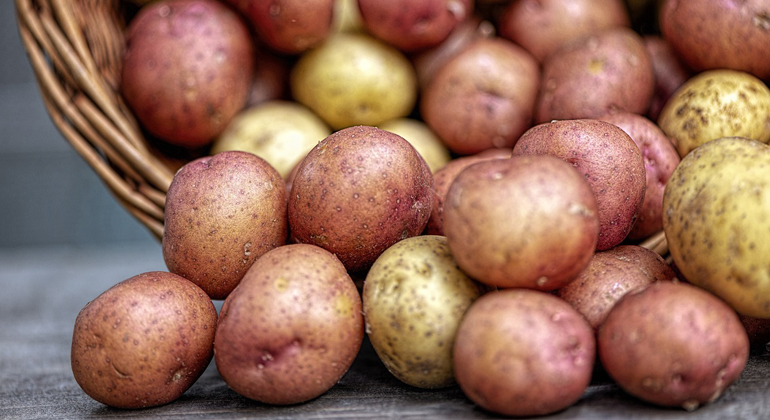
The flavorist must practice in harmony with nature. Knowledge of the natural mechanisms for generating aromatic active ingredients in fruits and plants will enable bold flavor combinations. So the potato can hide where you least expect it, in fruit aromas.
At the origin of the potato aroma, we find an essential amino acid for health, methionine, identified in quantity in meats, fish and cheeses. Under the action of an aminotransferase, methionine produces 2-oxo 4-methylthiobutyric acid. This acid can evolve into:
- 3-(methylthio) propanal or methional, a molecule with a cooked potato taste.
- 3-(methylthio) propanol or methionol tastes like meat and potato broth.
- Methyl 3-(methylthio) propionate has a sulfur flavor and gives off an exotic green, pineapple or mango note.
- Ethyl 3-(methylthio) propionate with a metallic note of ripe pineapple.


Leave a Comment